Creating a Data Lake for Reporting & Analytics for Small Business Owners
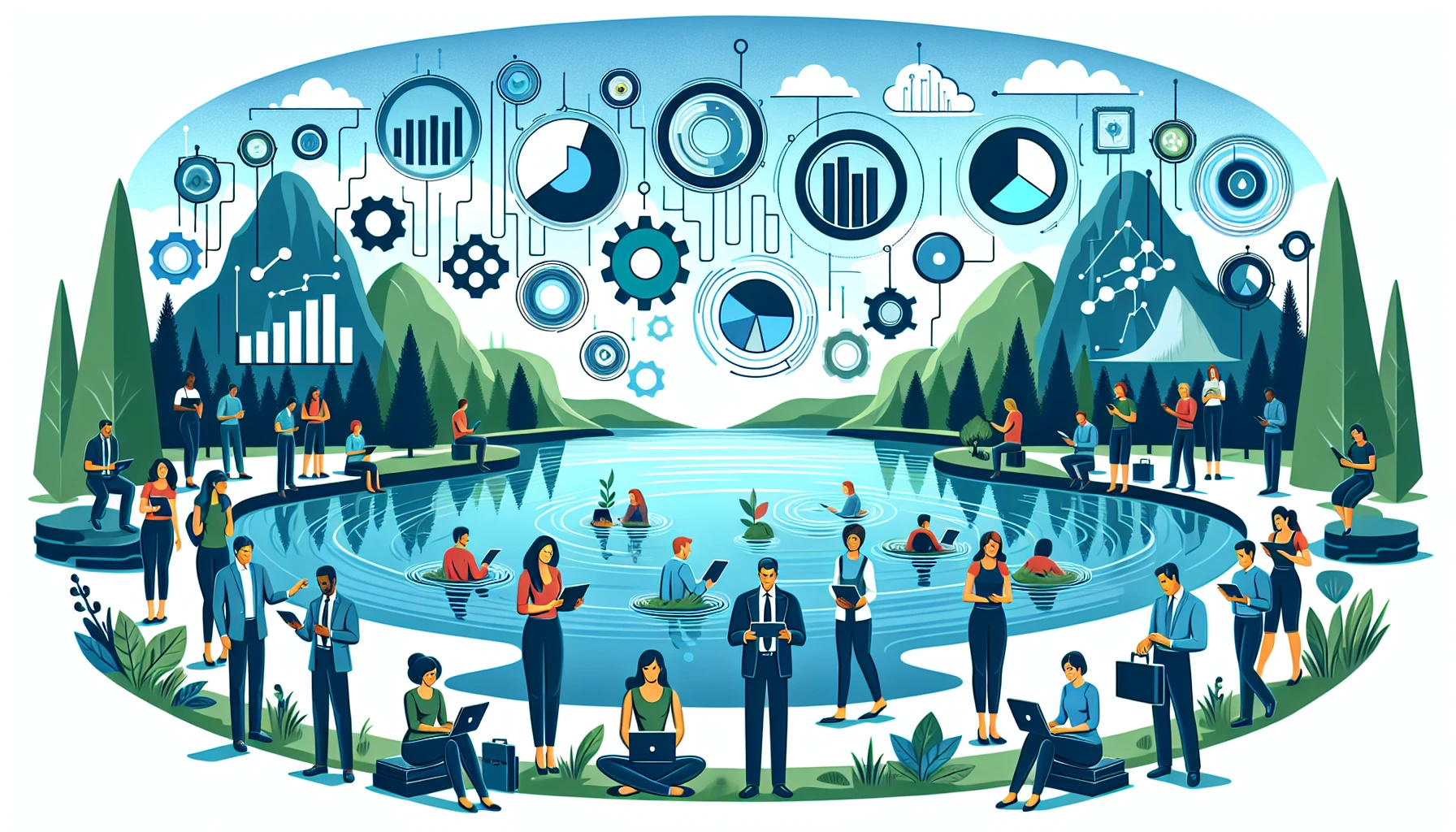
In today's data-driven world, small business owners are increasingly turning to data lakes to enhance their reporting and analytics capabilities. Data lakes offer a flexible, scalable, and cost-effective solution for storing vast amounts of data, which can be leveraged to gain valuable insights. This guide will walk you through the process of creating a data lake for your small business, highlighting its benefits and providing practical steps to get started.
What is a Data Lake?
A data lake is a centralized repository that allows you to store all your structured and unstructured data at any scale. Unlike traditional databases, which require data to be organized in a specific format, data lakes store data in its raw form. This flexibility enables you to perform different types of analytics, from dashboards and visualizations to big data processing and machine learning.
Benefits of a Data Lake for Small Businesses
- Scalability: Data lakes can handle large volumes of data with ease. As your business grows, your data storage needs will increase, and a data lake can effortlessly scale to accommodate that growth.
- Cost-Effectiveness: Many cloud-based data lake solutions offer a pay-as-you-go model, allowing small businesses to only pay for the storage and processing power they need.
- Flexibility: With a data lake, you can store data in its raw format, making it easier to incorporate various data sources, whether structured or unstructured.
- Advanced Analytics: A data lake provides the foundation for advanced analytics, enabling you to perform deeper and more complex analyses which can drive better business decisions.
Steps to Create a Data Lake
- Define Your Objectives: Start by identifying the goals for your data lake. Are you looking to improve reporting, enhance customer insights, or optimize operations? Clearly defined objectives will guide the entire process.
- Choose the Right Platform: Several platforms offer data lake solutions, including AWS, Microsoft Azure, and Google Cloud. Consider factors such as cost, scalability, ease of use, and integration with existing systems when selecting a platform.
- Data Ingestion: Develop a plan for how data will be ingested into your data lake. This includes identifying data sources, such as CRM systems, social media, and transactional databases, and determining how data will be transferred and stored.
- Organize and Catalog Data: While a data lake stores data in its raw format, it is essential to organize and catalog data for easy retrieval and analysis. Implement metadata management and create data catalogs to facilitate data discovery.
- Ensure Data Security and Compliance: Protecting your data is crucial. Implement robust security measures, such as encryption and access controls, and ensure compliance with relevant regulations like GDPR or CCPA.
- Develop Analytical Capabilities: Equip your data lake with tools and technologies that enable data analysis. This could include integrating with business intelligence tools, machine learning frameworks, or custom analytics applications.
- Monitor and Optimize: Continuously monitor the performance of your data lake and make necessary adjustments to optimize its efficiency and effectiveness. Regularly review data quality and ensure the system is meeting your business objectives.
Challenges to Consider
While data lakes offer numerous benefits, they also come with challenges. Data governance, management complexity, and ensuring data quality are common hurdles that need to be addressed. Establishing clear processes and employing the right tools can help mitigate these challenges.
Conclusion
Building a data lake can significantly enhance the reporting and analytics capabilities of a small business. By following the steps outlined above, you can create a data lake that is scalable, flexible, and tailored to your business needs. With the power of a data lake, you can unlock deeper insights and drive more informed business decisions, keeping your business competitive in an increasingly data-centric world.